Pollinator Corridors & Apiary Ecology
Land & Nature Ecology

Pollinator Corridors & Apiary Ecology

Forskingsmål

Hva vi ønsker å oppdage

  1. Establish baseline pollinator species diversity and abundance metrics across 15 wildflower corridor sites and 20 apiary locations in the Algarve region
  2. Compare foraging behavior, colony health, and honey production between managed apiaries and native bee populations across different corridor designs
  3. Develop optimized wildflower corridor composition models that increase native pollinator abundance by 30% within corridor zones
  4. Quantify the effectiveness of different corridor widths (10m, 25m, 50m) on pollinator movement patterns and genetic connectivity between fragmented habitats
  5. Create evidence-based management protocols for integrating commercial apiaries with native pollinator conservation in Mediterranean agricultural landscapes
For forskere

Hva De får

  • Access to diverse Mediterranean pollinator communities and established apiary networks for comprehensive field research
  • Opportunity to publish high-impact research on pollinator conservation strategies in biodiversity hotspot regions
  • Development of innovative corridor design methodologies applicable to agricultural landscapes globally
  • Training in advanced pollinator identification, genetic analysis, and landscape ecology modeling techniques
Gjensidig nytte

Hvorfor dette samarbeidet fungerer

  • Enhanced pollinator services benefiting both native ecosystems and agricultural productivity in the region
  • Development of sustainable beekeeping practices that support both commercial operations and wild bee conservation
  • Creation of replicable corridor management models for Mediterranean climate regions worldwide
  • Strengthened collaboration networks between researchers, beekeepers, farmers, and conservation organizations
I detalj

Om denne muligheten

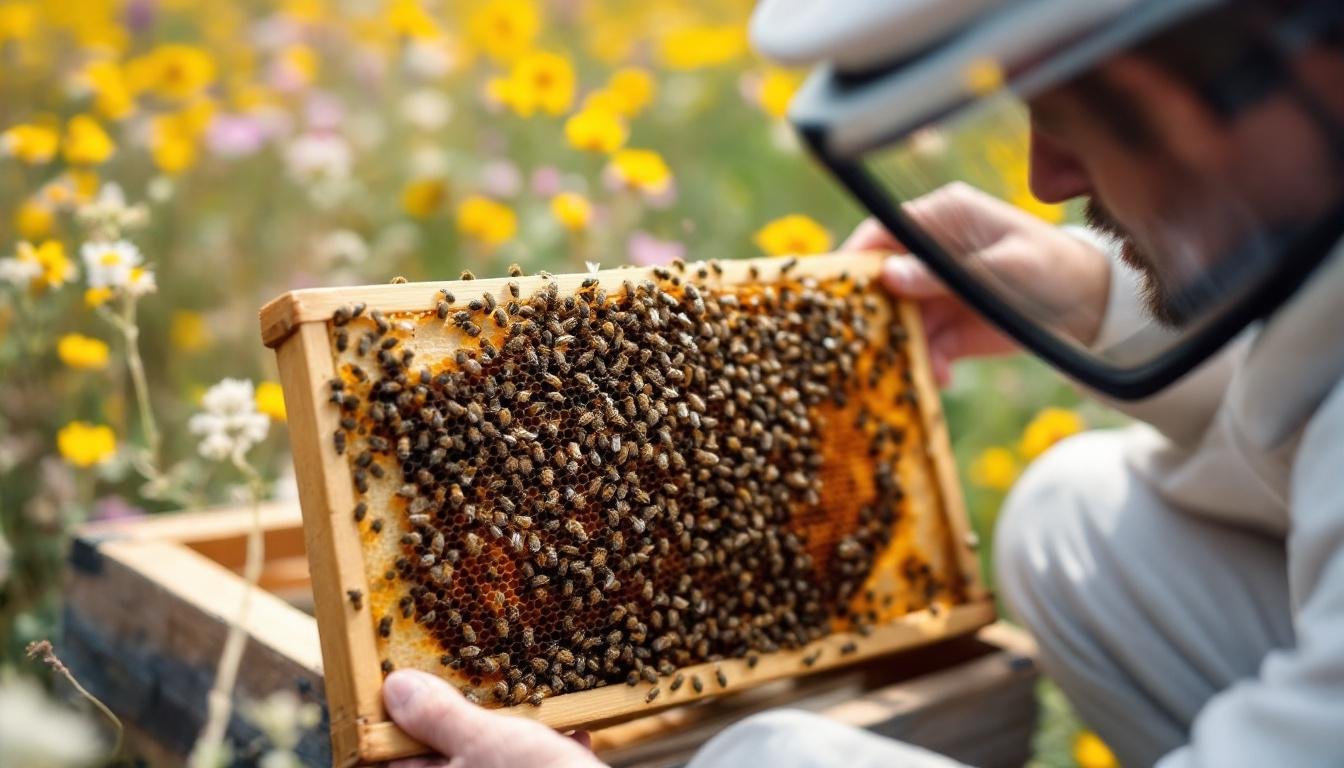
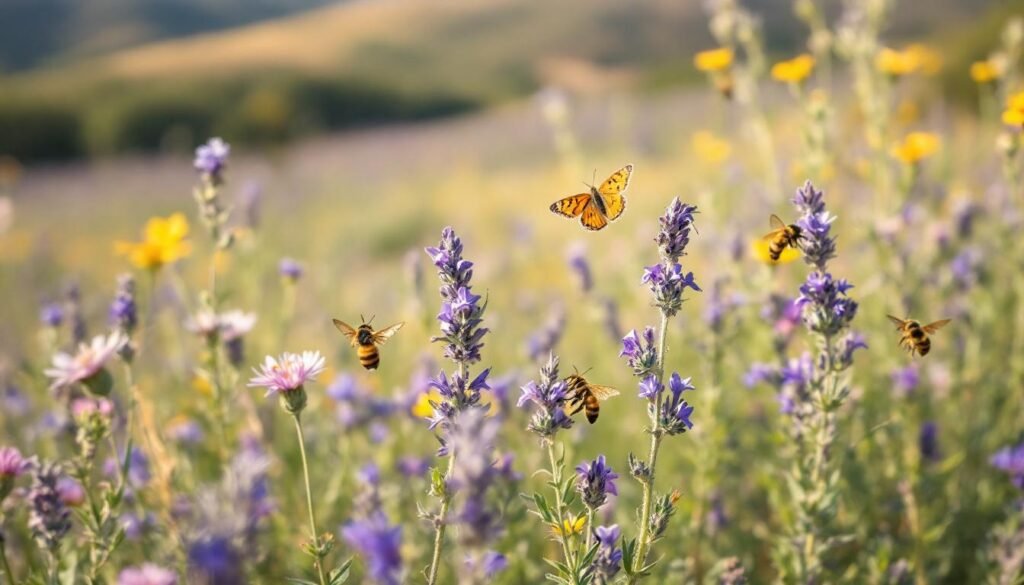
This research opportunity addresses the critical intersection of managed apiary systems and native pollinator conservation through strategically designed wildflower corridors in Mediterranean landscapes. The study leverages the Algarve’s unique position as a biodiversity hotspot with intensive agricultural activity and established beekeeping traditions. Researchers will investigate how corridor design parameters influence both native bee communities and managed hive productivity, addressing the complex ecological relationships between wild and domesticated pollinators. The project employs cutting-edge methodologies including genetic barcoding for species identification, GPS tracking of foraging patterns, and landscape-scale modeling of pollinator movement. Field sites will span diverse habitat types from coastal areas to inland agricultural zones, providing comprehensive data on corridor effectiveness across environmental gradients. Collaboration with local beekeepers ensures practical applicability of findings while supporting traditional livelihoods. The research directly addresses global concerns about pollinator decline by developing evidence-based solutions that benefit both conservation goals and agricultural sustainability. Advanced techniques such as environmental DNA sampling, automated bee counting systems, and drone-based habitat mapping will generate unprecedented datasets on pollinator ecology. Results will inform policy decisions regarding agricultural subsidies for pollinator-friendly practices and guide habitat restoration efforts across Mediterranean Europe. The interdisciplinary approach combines ecological theory with practical land management, creating opportunities for innovation in sustainable agriculture practices that maintain biodiversity while supporting food security objectives.

På Hillside Sanctuary

Hva som gjør dette stedet unikt

Site Assets

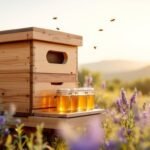
Active beehives, a dedicated wildflower meadow in Zone 4, and year-round honey production supporting pollinator corridor research.

Guest Integration

Guests experience beekeeping sessions and honey tasting, seeing pollinator conservation in action.

Flere muligheter

Land & Nature Conservation

Cork Oak Ecosystem Dynamics

The montado ecosystem represents one of Europe’s most distinctive agroforestry systems, where cork oak forests support both biodiversity…

Innovation Energy

Rural Energy Transition

This research opportunity addresses the critical challenge of energy transition in rural communities, focusing on remote properties where…

People & Community Demography

Rural Depopulation & Community Resilience

Rural depopulation represents one of Europe’s most pressing demographic challenges, with Portugal experiencing particularly acute population decline in…

← Alle forskingsmuligheter